Stephanie Adams
AI Research and Analysis
AI applications · Agentic responses · Prompt design
I love AI — especially skills and projects in Claude. I am getting used to co-work, but you’ll have to pry AI out of my cold, dead, hands to get me to go back.
AI applications · Agentic responses · Prompt design
I love AI — especially skills and projects in Claude. I am getting used to co-work, but you’ll have to pry AI out of my cold, dead, hands to get me to go back.
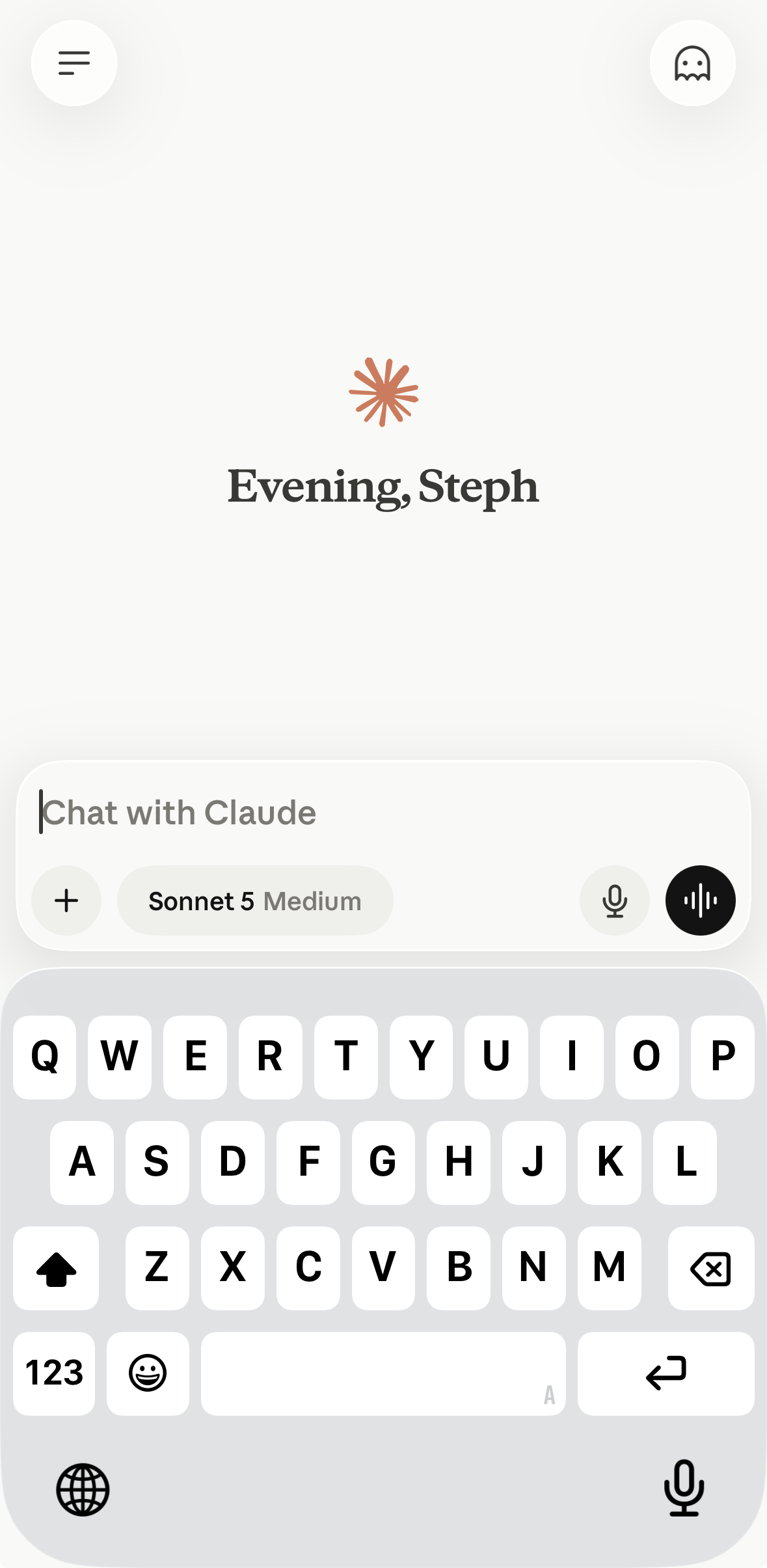
How I work with AI
There are times I wax poetic about grouping post-its by hand in person or on mural, but, helping me move through analysis: priceless.
AI is my intern, my assistant, my consultant — I lean on it to draft and to pressure-test my thinking. I've experimented, and failed, a lot: with quality, token budgets, models, versions. Early on, I'd cram the whole process into a single prompt, feed it a project's worth of context, and tell it to produce the report. It didn't work. What worked was the opposite instinct — small, deliberate steps, one at a time. Out of the wreckage came a way of working that's reliable and sustainable: AI, like any sharp intern, needs supervision and refinement to provide value.
I use LLMs where they shine: finding patterns across my analysis, reviewing content for discrepancies, and turning repeatable work — proposals, briefs, launch materials — into frameworks I can build into reusable skills. The checks I used to run by hand now live in the system. The guardrails sit in the code, not in my head. AI gives me a start; through those skills and projects, I lead what amounts to an artificial team.
Rigor and careful processes has not changed:
A note on tools, because the how matters as much as the what:
I match the tool to the task.
What's possible with AI changes every day, and I learn every day. If you've met me, you know I take the hard lessons and — like a honey badger — get up and try again. I'll figure it out.
AI has changed everything about how I work — and nothing about the standard the work has to meet. It’s still all about rigor.
There are times I wax poetic about grouping post-its by hand in person or on mural, but, helping me move through analysis: priceless.
AI is my intern, my assistant, my consultant — I lean on it to draft and to pressure-test my thinking. I've experimented, and failed, a lot: with quality, token budgets, models, versions. Early on, I'd cram the whole process into a single prompt, feed it a project's worth of context, and tell it to produce the report. It didn't work. What worked was the opposite instinct — small, deliberate steps, one at a time. Out of the wreckage came a way of working that's reliable and sustainable: AI, like any sharp intern, needs supervision and refinement to provide value.
I use LLMs where they shine: finding patterns across my analysis, reviewing content for discrepancies, and turning repeatable work — proposals, briefs, launch materials — into frameworks I can build into reusable skills. The checks I used to run by hand now live in the system. The guardrails sit in the code, not in my head. AI gives me a start; through those skills and projects, I lead what amounts to an artificial team.
Rigor and careful processes has not changed:
- Stay in the driver's seat. An LLM predicts; it doesn't decide. It's smart, but it doesn't know the stakeholders, the history, or the stakes — so I stay in charge: of the project, of the content, of the outcome. I'm responsible for what ships. This has been the hardest lesson to hold on to, because when you're tired and the timeline is brutal, it would be so easy to let the intern write it.
- Set the constraints. There's a time for creativity — when I want AI to find relationships and rough out a first-draft insight. But that happens on my signal, not its initiative. This is the guardrail I never relax.
- Work smart to move fast. Progressive prompting beats the one giant
- Iterate with what it can't know. The value lives in the conversation, where I bring the institutional knowledge, the politics, and the 15+ years of context no model can have.
- Never skip the review. Timelines compress; the time to review and revise does not vanish with them. Under pressure is exactly when skipping that step feels most tempting — and most expensive. Refinement is not optional.
A note on tools, because the how matters as much as the what:
- I treat Claude like a sharp intern: fast, capable, and in need of direction and a close read.
- Copilot earns its keep as a finder inside a repository, less so as a writer.
I match the tool to the task.
What's possible with AI changes every day, and I learn every day. If you've met me, you know I take the hard lessons and — like a honey badger — get up and try again. I'll figure it out.
AI has changed everything about how I work — and nothing about the standard the work has to meet. It’s still all about rigor.